
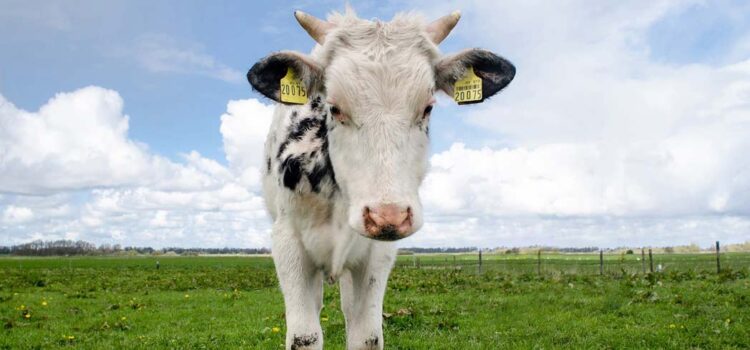
Different cattle breeds produce noticeably different types of beef,
A tapestry of bovine heritage unfurls across the world, each breed shaped by its landscape, its climate, and the quiet patience of generations of farmers. From these distinct lineages comes an extraordinary spectrum of beef: marbled and opulent, lean and sculpted, delicately sweet or profoundly earthy. The supple richness of Scottish Angus, the clean muscular elegance of French Charolais, the tropical resilience of Brahman, and the almost decadent silkiness of Japanese Wagyu each tell a story of origin and purpose. Together, they form a global atlas of flavor, where every cut carries the imprint of its ancestry — a luxurious reminder that the diversity of cattle is not merely agricultural, but gastronomic, offering us a world of textures, aromas, and pleasures born from the quiet grandeur of the herd.
The “many varieties of cattle” matter because breed origin directly shapes the meat we eat : its flavor, fat, texture, and ideal cooking method. Understanding breed differences helps chefs, consumers, and farmers choose the right beef for the right dish.
Here’s a guide to the origin and products of specific cow types.
Why cattle origin matters for meat
Different breeds evolved (or were selectively bred) in distinct regions and these environments shaped:
– Muscle structure (lean vs heavily marbled)
– Fat composition (sweet, buttery, or clean-tasting)
– Carcass yield (how much usable meat)
– Hardiness traits (heat tolerance, disease resistance)
– Flavor profile (rich, beefy, delicate, funky)
This is why Wagyu tastes nothing like Charolais, and why Brahman beef behaves differently on the grill than Angus.
| Angus (Black & Red) Of Scottish origin, Angus cattle are prized worldwide for their well-marbled, meat-heavy carcasses. juicy, consistent tenderness. Classic “steakhouse” flavor. Extremely versatile for all cooking methods. READ MORE: Certified Angus Beef |
| Beefalo A cross between a buffalo and any breed of cattle. |
| Brahman A native of India, this breed has a distinctive back hump and can handle hot weather. Leaner beef. Distinctive texture. Ideal for slow cooking. |
| Braunvieh A Swiss breed—how now, Brown Cow? Braunvieh means “brown cattle.” |
How breed influences cooking method
Different cattle types shine in different preparations:
– High-marbling breeds (Wagyu, Angus) Best for quick, hot sears; small portions.
– Lean continental breeds (Charolais, Limousin) Benefit from careful doneness; great for carpaccio, grilling, or roasting.
– Hardy tropical breeds (Brahman, Nelore) Excellent for low-and-slow cooking, churrasco, or braises.
| Charolais A French breed from Charolles, grown for meat, not dairy. Very lean, very muscular. Clean flavor, firm texture. Great for precision cooking and crossbreeding. |
| Chianina A product of central Italy. READ MORE: Italian Food & Cooking Terms & Glossary |
| Gelbvieh Originated in Bavaria, in southern Germany in the late eighteenth and early nineteenth century. |
| Hereford Natives of England, this is a common breed in the U.S., Argentina and Australia for meat production. Beefy, balanced flavor. Excellent for roasts and grass-fed systems. |
| Limousin France. Lean, high-yield carcasses. Fine-grained muscle, excellent for slicing. |
| Piedmontese A crossbreed from Italy’s Piedmont region; their breeders promote their meat as being naturally low in fat but still tender and flavorful. |
RELATED CONTENT
• Beef Cuts
• Beef Grades
• All About Organic Beef
• Top 5 Tips for a Perfect Steak
• Best Steakhouses Near You
| Santa Gertrudis A cross between a Brahman and a Shorthorn, this breed is believed to be the first created in the U.S. |
| Senepol A breed developed in the Caribbean, this one is heat-tolerant and meaty. |
| Shorthorn Originally from England, shorthorns are a popular American breed because they grow rapidly. |
| Simmental A Swiss breed grown for both dairy and meat production. Juicy, rounded flavor when well-finished. Larger carcasses, dual-purpose heritage. |
| Wagyu (Japanese Black / Kobe) The famed cattle that produce Japan’s prized Kobe beef, named for the city that launched the breed. Juicy, rounded flavor when well-finished. Larger carcasses, dual-purpose heritage. Ultra-high marbling. Sweet, buttery fat. Intense umami. |
Beyond beef: dairy & dual-purpose breeds
Dairy breeds
• Holstein, highest milk yield
• Jersey, rich, high-butterfat milk
Dual-purpose breeds
Simmental, Shorthorn, Brown Swiss produce both quality milk and respectable beef.
Deep origin: the aurochs connection
European cattle descend from the wild aurochs (Bos primigenius), whose genetics still influence:
– Cold tolerance
– Ability to digest coarse vegetation
– Frame size and muscle development.
This ancient lineage explains why northern European breeds (e.g., Angus, Hereford) excel on grass and produce richly marbled beef.